Virtualized Industrial Infrastructure. Building flexible, scalable, and resilient factories
Publisert 12. oktober 2026 i Industry 4.0
Introduction
Manufacturing is entering a new phase of digital transformation. The factory of the future is expected to be connected, intelligent, flexible, and resilient. Production systems must support real-time data, AI-driven insights, predictive maintenance, digital twins, remote operations, and faster product changeovers.
However, many factories still rely on hardware-centric architectures where each application is tied to dedicated physical equipment. This model increases complexity, slows modernization, and makes scaling more expensive. Hardware virtualization offers a practical way to overcome these limitations by separating industrial software workloads from dedicated physical machines.
What hardware virtualization means for manufacturing
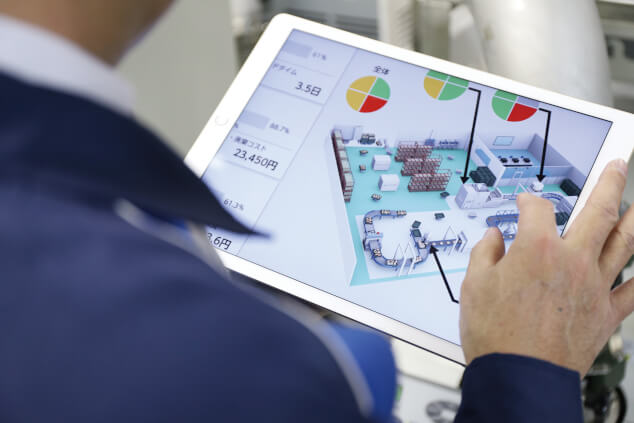
Hardware virtualization allows multiple software environments to run on shared physical infrastructure. Instead of installing every application on a separate industrial PC or server, manufacturers can run virtual machines or containerized workloads on standardized compute platforms.
In an industrial environment, this can include HMI systems, SCADA servers, historians, engineering workstations, monitoring tools, analytics platforms, and edge applications. The result is a more flexible and manageable infrastructure layer that supports the broader vision of software-defined manufacturing.
In an industrial environment, this can include HMI systems, SCADA servers, historians, engineering workstations, monitoring tools, analytics platforms, and edge applications. The result is a more flexible and manageable infrastructure layer that supports the broader vision of software-defined manufacturing.
Why traditional hardware architectures are no longer enough
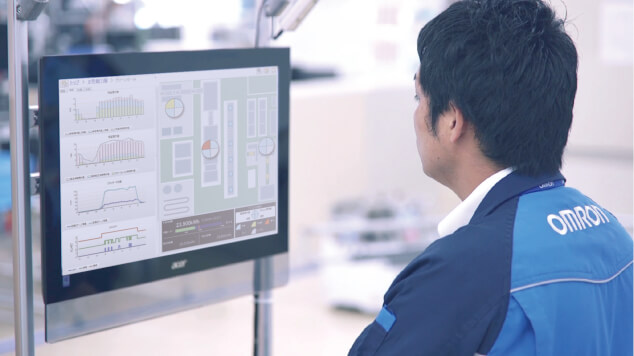
Traditional factory systems were designed for stability and long lifecycles. While this has advantages, it also creates challenges. Dedicated hardware is harder to maintain, more difficult to scale, and often expensive to replace. Legacy systems may depend on outdated operating systems, unsupported hardware, or vendor-specific platforms.
As factories adopt more connected devices, data-driven applications, and AI workloads, the need for adaptable infrastructure becomes stronger. A hardware-bound architecture can slow down innovation, while a virtualized architecture can provide the flexibility needed for continuous improvement.
As factories adopt more connected devices, data-driven applications, and AI workloads, the need for adaptable infrastructure becomes stronger. A hardware-bound architecture can slow down innovation, while a virtualized architecture can provide the flexibility needed for continuous improvement.
Main advantages of hardware virtualization
- Reduced hardware footprint
Virtualization enables consolidation of multiple workloads onto fewer physical devices. This can reduce cabinet space, power usage, cooling requirements, and spare-part complexity. - Faster deployment
Virtual machines can be created from templates, cloned, backed up, and restored more quickly than physical systems. This supports faster commissioning, easier rollout, and better standardization across production lines or sites. - Improved resilience
Virtualized systems can support snapshots, replication, and failover strategies. If a physical device fails, workloads can often be restored or migrated more quickly than with traditional hardware-bound systems. - Easier lifecycle management
Applications are no longer tightly coupled to specific hardware. This makes hardware refreshes, operating system upgrades, and application migrations easier to plan and execute. - Better foundation for edge computing and AI
Modern factories require local compute power for analytics, AI, vision systems, and predictive maintenance. Virtualized edge infrastructure can host multiple applications close to the production process while reducing latency and bandwidth usage. - Stronger cybersecurity segmentation
Virtualization can help separate workloads, isolate legacy systems, and support controlled communication between OT and IT environments. When combined with proper security architecture, it can improve visibility, recovery, and access control. - Lower Total Cost of Ownership
By reducing physical infrastructure, simplifying maintenance, and improving recovery capabilities, virtualization can contribute to lower long-term operational costs.
Example use cases in the factory of the future
ardware virtualization can be applied in several practical scenarios:
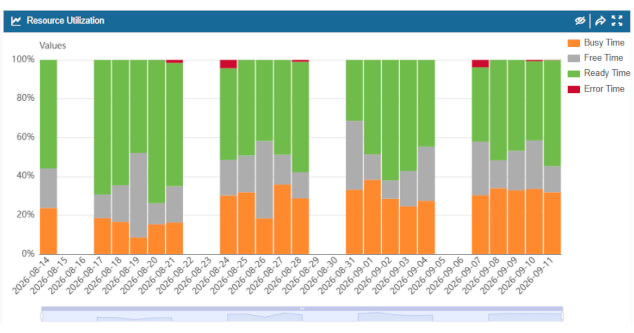
- Virtualized HMI and SCADA systems
- Centralized engineering environments
- Production data historians
- Industrial edge analytics
- Predictive maintenance platforms
- Quality inspection and vision analytics
- Legacy application isolation
- Disaster recovery environments
- Simulation and digital twin support
These use cases show how virtualization can support both operational reliability and digital innovation.
Implementation considerations
Virtualization should be introduced carefully in industrial environments. Not all workloads are suitable for virtualization, especially those with strict deterministic or hard real-time requirements. Manufacturers should evaluate latency, availability, cybersecurity, vendor support, backup strategy, and operational responsibility.
A good starting point is to virtualize non-real-time workloads first, such as HMI, SCADA, historians, reporting, analytics, and engineering systems. From there, organizations can gradually expand toward more advanced edge and software-defined automation scenarios.
A good starting point is to virtualize non-real-time workloads first, such as HMI, SCADA, historians, reporting, analytics, and engineering systems. From there, organizations can gradually expand toward more advanced edge and software-defined automation scenarios.
Recommended approach
- Assessment of current industrial hardware and applications
- Identification of suitable workloads for virtualization
- Standardized architecture for compute, storage, and networking
- High-availability and disaster recovery design
- Cybersecurity segmentation between OT and IT
- Backup, patching, and lifecycle management processes
- Pilot deployment on one line or production area
- Gradual scale-up across the factory or enterprise
Conclusion
In the factory of the future, hardware virtualization is the key to more flexibility, resilience, and software-defined manufacturing. By decoupling industrial applications from dedicated hardware, manufacturers can simplify infrastructure, accelerate deployment, improve recovery, and prepare for advanced use cases such as AI, edge computing, digital twins, and predictive maintenance.
For more information, please visit: i-Belt Service
Contact us for more information
For more information, please visit: i-Belt Service